
Lunar Loop-de-Loop SciSchmooze
February 1, 2026
Welcome, glad you are reading this
Mwaniriziddwa, musanyufu nti osoma bino
[Over 10 million people speak Luganda in Uganda.]
Subscribe to the SciSchmooze at Bay Area Science. Heck, sign up your friends too. It’s free.
********
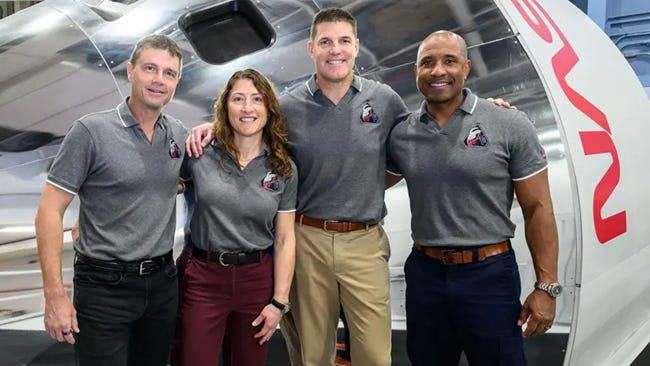
Reid, Christina, Jeremy, and Victor are leaving for the Moon next Sunday. Their spacecraft will loop around the Moon twice and return to Earth on or about February 19th. However, those dates could be pushed back out of an abundance of caution.
Here is a video introduction to the crew and their mission.
Watch the mission unfold live on the NASA YouTube Channel. The previous Moon mission, Apollo 17, was over 53 years ago. One threat from back then still exists: cosmic radiation.
Shocking News
Google denied the Bay Area Skeptics access to their community facility - The Huddle in Mountain View - for SkeptiCamp 2026 because they posted articles (mostly SciSchmooze articles) about vaccines - and vaccines are “controversial.” I searched all Bay Area Skeptics articles in the last 12 months that contained a reference to the Trump Administration’s vaccine policies. Every article is factual and free of rhetorical exaggeration. Here are links to all 17 articles i found: 1, 2, 3, 4, 5, 6, 7, 8, 9, 10, 11, 12, 13, 14, 15, 16, 17
¿Has Google abandoned their support of science over pseudoscience, or are they instead concerned that the articles criticized the Trump Administration’s public health policies. It is true that articles over the last 12 months from the SciSchmooze and articles from other sources repeatedly addressed the Administration’s ‘war on science.’
The Bay Area Skeptics is incorporated as a 501(c)(3) educational organization. They reserved The Huddle early last year for their SkeptiCamp 2025 which was well-attended and upset no one. That was then.
Consider emailing the Google Visitor Experience Team at visit@google.com to share your opinion. ¿Will Google change its ruling? In a more perfect world, yes, if they hear from you and you and you and …..
As a side note, the Federal Government now has 10,000 fewer Ph.D.s in science, technology, engineering, and mathematics than before Trump took office in 2025. [¿Is this information controversial?]
RAFFLE
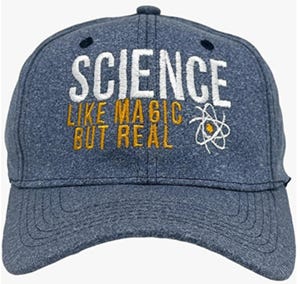
Our raffle prize is a science cap that adjusts to your head size. Just send an email before noon Friday to david.almandsmith <at> gmail <dot> com with your guess of an integer from 1 to 1,000. Last time, the random number generator spat out “233”. Robert won an Earth night light with his guess of 259. Twenty-one people played.
A FEW LOCAL STANDOUTS
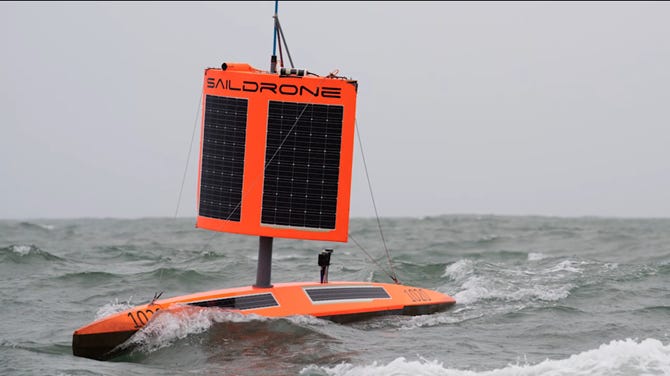
Saildrone manufactures unmanned surface vehicles that gather scientific data. Their impressive facility is on Alameda Island. Unfortunately they do not conduct tours.
The largest camera ever (in the Solar System) was built at the Stanford Linear Accelerator Center. The 3.2 gigapixel camera is a key component of the Vera C. Rubin Observatory in Chile. It is 1.65 meters in diameter, 3.7 meters long, and weighs 3 tonnes.
And there’s Longshot, a company with facilities in both Alameda and Oakland. They want to shoot satellites into space with a 10 kilometer ‘gun.’ Take the time to read this fun article about Longshot by Joe Salas.
THINGS TO DO THIS WEEK – My Picks
There is so much happening this week. Below are just a few that are close to the Bay and intended for a non-professional audience. There are many more presentations this week, some for more technical programs or for programs a little farther out. Check out the full listing at the Bay Area Science Calendar.
SETI Live: Back to the Moon Livestream, Monday 1pm
Live Longer, Live Better: Technology & Aging Tuesday 5:30, Commonwealth Club, S.F., $
Algorithms of Love - Dating in the Digital World Livestream & in Person, Wednesday 1pm
What If the Ocean Is at a Tipping Point? Thursday 7 pm, ExplOratorium, S.F, $
Searching for Technological Life in the Universe Friday 8pm, San Mateo
Foothills Family Nature Walk - Saturday 11 am, Los Altos
BIOLOGY / ETHOLOGY
¿One more Domain of biological organisms? Make room for Sukunaarchaeum. These tiny organisms were found living inside Citharistes regius, a single-celled dinoflagellate (a type of plankton). It has everything needed to reproduce, i.e. DNA and RNA that code for all the machinery needed to replicate its genome and build proteins, its cell wall, etc. What it lacks is any mechanism for creating energy, such as mitochondria. Apparently it ingests energy from its host dinoflagellate, perhaps in the form of ATP: adenosine triphosphate. Viruses on the other hand cannot replicate anything. Viruses use the host cell’s machinery for building new copies of itself. It appears we must add Sukunaarchaea to the other Domains: Viruses, Bacteria, Archaea, and Eukaryota (that’s where we fit in). Stay tuned!
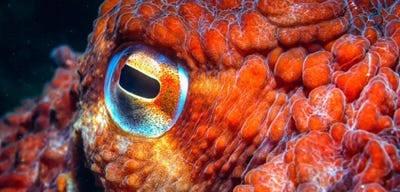
We humans perceive color by the differential responses of 3 chemically different photoreceptors in the retina, each ‘tuned’ to a separate frequency of light. Octopus eyes have only a single photoreceptor which technically makes them colorblind. However, they obviously can perceive colors since they often match their skin color to the color of their surroundings. Our best understanding: Their horizontal pupils cause a chromatic aberration of the images on their retina; much like a prism splits light into its composite colors. Their brains are able to use the nature of the aberrations to extract color information.
CLIMATE
Last year the Department of Energy secretly assembled a committee of climate deniers who published a 151-page report in July. The report claimed carbon dioxide is good for the planet, that the rise in ocean levels is not accelerating, and that computer models predicting higher temperatures are faulty. The Environmental Protection Agency cited the report to justify repealing the endangerment finding that had been used to justify our government’s fight against climate change.
A federal judge just ruled the report was illegal. A 1972 law makes it illegal for agencies to recruit or rely on secret groups for the purposes of policymaking. The law was signed by President Nixon.
FUN NERDY VIDEOS
Amazing Galaxy Cluster - @Astro_Alexandra - Alexandra Doten - 1 min
Most Efficient Animal Travel - Cleo Abram - 1 min
Cutting NIH Research - Jessica Knurick - 2 mins
Pluto Images Revisited - Oxford University - Carly Howett - 2 mins
Saildrone research - NOAA Fisheries - 4.5 mins
Microplastics and Health - Your Local Epidemiologist - Matt Willis - 5 mins
Fruits, Vegetables, & Science - The Right Chemistry - Joe Schwarcz - 5 mins
Spintronics is Almost Here - Sabine Hossenfelder - 5.5 mins
LongShot, Oakland - 8 mins
The First Clothing - PBS Eons - Kallie Moore - 9 mins
Science Breakthroughs of 2025 - Science Magazine - 10.5 mins
Three-Parent Babies - SciShow - Niba - 12.5 mins
Evolutionary History of Color Vision - SciShow - Hank Green - 14 mins
CRISPR’s Successor Could Be Awesome - SciShow - Jaida Elcock - 20 mins
Tales from the Periodic Table - Ron Hipschman - 22.5 mins
¿Is Dark Matter Real? - Abigail James - 25 mins
Medicine’s Most Controversial Book - SciShow - Danielle Bainbridge - 57 mins
Have a great week,
Dave Almandsmith, Bay Area Skeptics
“That’s one small step for a man, one giant leap for mankind.”
― Neil Armstrong (1930 - 2012) American astronaut and aeronautical engineer.
“We are going to the moon that is not very far.
Man has so much farther to go within himself.”
― Anaïs Nin (1903 - 1977) French-born American writer.
Upcoming Events:
Click to see the next two weeks of events in your browser.
Monday, 02/02/2026
Seeing Stars: Conservation Aquaculture, Cryopreservation & Communities of Practice - 02/02/2026 12:00 PM
Sonoma State University - Biology Colloquium Rohnert Park
Ashley worked for 12 years as a public aquarium professional, where her passion in aquaculture supporting sustainable exhibits and conservation initiatives began, notably with SECORE coral conservation & the White Abalone Recovery Project. She holds an MS in Fisheries and Aquatic Sciences from the University of Florida, researching sunflower sea stars & their restoration
Speaker: Ashley Kidd, Sunflower Star Laboratory
Editor’s Note: Allison Rietman, Santa Rosa Junior College was originally scheduled to speak today. This lecture replaces Allison’s talk.
Core Collapse Supernovae:? A Theoretical Survey for the Transient Sky - 02/02/2026 12:10 PM
Campbell Hall, Rm 131 Berkeley
Speaker: David Vartanyan, University of Idaho
Advancing sustainability in subsurface systems for decarbonization - 02/02/2026 12:30 PM
Green Earth Sciences Building Stanford
The subsurface is indispensable to deep energy decarbonization, with capacity to store energy on scales necessary to balance renewable grid loads and to sequester carbon on scales relevant to emission reduction targets. Sustainably engineering subsurface reservoirs for energy production, energy storage, and dedicated carbon storage requires an integrated understanding of the geologic and systems-level processes governing performance and environmental impacts. This talk highlights our research on subsurface hydrogen and carbon storage systems at both of these scales. With respect to hydrogen storage, experiments coupled to analytical techniques demonstrate conditions under which biogeochemical reactions compromise hydrogen retention and purity in porous reservoirs, both through microbial H2 consumption and production of harmful byproducts. Techno-economic analyses further motivate continued research to overcome current knowledge gaps in our ability to deploy hydrogen storage in porous reservoirs, demonstrating the cost and efficiency advantages of employing porous storage to support green hydrogen and/or ammonia pathways at the surface. With respect to carbon sequestration, reactive flow experiments coupled with x-ray computed tomography demonstrate how complex interactions among reservoir geochemistry, fracture structure, and transport control carbon mineralization in fractured basalt. Systems-level analyses quantify the inherent value of carbon mineralization across a range of capture and storage scenarios, further motivating research efforts to sustain reactions toward complete mineralization of injected CO2. Collectively, these studies have important implications for designing injection schemes that optimize long-term performance in energy and carbon storage reservoirs, as well as informing policy or incentive structures that guide sustainable planning of subsurface resources to support energy transitions and carbon management.
Speaker: Anne Menefee, Pennsylvania State University
SETI Live: Back to the Moon - Livestream - 02/02/2026 01:00 PM
SETI Live
Humanity is heading back to the Moon - and Artemis II is the mission that makes it real.
In this SETI Live, host Simon Steel is joined by Dr. Caitlin Ahrens, assistant research scientist at NASA Goddard, to explore how Artemis II will prepare the way for future astronaut missions.
Artemis II isn’t landing on the Moon - but it is laying the groundwork. From mapping the lunar environment to understanding how radiation, extreme cold, and surface conditions affect both spacecraft and humans, this mission is a crucial scouting expedition. The data gathered will directly inform how astronauts live, work, and explore when boots return to lunar soil.
Together, we’ll unpack how lunar scientists are using Artemis II to test assumptions, close knowledge gaps, and turn decades of robotic exploration into a sustainable human presence beyond Earth. This is the Moon as a proving ground - not just for technology, but for the future of deep-space exploration.
Intertwined magnetism, correlations and topology in semiconductor moiré materials - 02/02/2026 02:30 PM
Physics North Berkeley
Semiconductor moiré lattices provide a flexible platform to study flat, topological bands with a variety of closely competing ground states. In this talk, I will describe single-electron transistor microscopy of twisted WSe2 which reveals a rich interplay between magnetism, correlations, and topology. At zero magnetic field, we observe quantum anomalous Hall states and demonstrate topological phase transitions as a function of twist angle and electric field. In the Hofstadter regime at high magnetic field, a cascade of magnetic phase transitions emerges due to crossing Hofstadter and moiré bands of differing spin. I will discuss which experimental tuning knobs are most influential in determining the preferred ground states, clarifying the respective roles played by material and moiré properties in shaping the observed symmetry breaking in different physical regimes.
Speaker: Ben Feldman, Stanford University
Fugitive Networks: Black Women’s Everyday Politics on Venezuela’s Central Coast - 02/02/2026 03:30 PM
McCone Hall Berkeley
By introducing the concept of fugitive networks, this talk re-thinks Black women’s geographies of mobilization around former plantations on Venezuela’s Caribbean central coast. I show how these mobilizations both engage with and resist the state, as they are shaped by long-standing historical legacies of racialized exclusion and denial of claims to land. Under the Bolivarian Revolution, Afro-Venezuelan movements were recognized, but their claims to secure ownership of former plantation lands remained disregarded, reproducing conditions that make Black life vulnerable to land dispossession. Amidst the ongoing catastrophe in Venezuela, I theorize Black women’s political mobilizations as “fugitive networks,” an unrecognized geography of resilience. These networks simultaneously make claims on governing authorities while evading recognition by state power. In a reality of shifting and violent governance, these networks have the power to appear and withdraw, affirming Black life with or without recognition. This talk contributes to Black geographies, social movement theory, and feminist geographies by repositioning Afro-Latin American women’s political life beyond formal organizations and state institutions.
Speaker: Nadia Mosquera Muriel, University of North Carolina, Chapel Hill
Repositioning, Remodeling, and Repurposing the Mitochondria During Induction of the Carbon Concentrating Mechanism in Algae - 02/02/2026 04:00 PM
James H. Clark Center (Bldg 340) Stanford
Speaker: Arthur Grossman, Carnegie Institute
Clark Auditorium
Towards Exciton Bose-Einstein Condensate with Atomically Thin Heterostructures - 02/02/2026 04:15 PM
Physics North Berkeley
In 1964, L.V. Keldysh predicted that excitons - quasiparticles formed by bound electron-hole pairs - could undergo Bose-Einstein condensation (BEC) below a critical temperature. However, realizing this macroscopic quantum state in conventional semiconductors proved difficult due to the ultrashort lifetime of optically excited excitons. While spatially indirect excitons in GaAs quantum wells provided an example of this physics under high magnetic fields (the Quantum Hall exciton condensate), a true BEC of dilute excitons at zero magnetic field remained elusive. In this colloquium, I will demonstrate that atomically thin van der Waals heterostructures provide the long-sought platform to engineer stable, strongly interacting electron-hole bilayers. By separating carriers by only a few atomic sheets, we realize strongly interacting electron-hole systems with ultralong lifetime necessary for thermal equilibration. It enabled the observation of various quantum phases composed of multiparticle complexes, such as excitons, trions, and exciton molecules. I will discuss the use of optical spectroscopy to probe the compressibility, transport, and spin susceptibility of these emergent phases. Our measurements reveal that the excitons can form a two-component Bose-Einstein condensate characterized by unusual spin and valley textures, opening a new frontier in the study of quantum fluids.
Speaker: Feng Yang, UC Berkeley
Stanford Energy Seminar - RESCHEDULED - 02/02/2026 04:30 PM
Stanford University Energy Seminar Stanford
Speaker: Rob Jackson, Stanford University
This talk will now be given on February 9, 2026
Energy Resilience in a Warming World - 02/02/2026 04:30 PM
Stanford University Energy Seminar Stanford
Climate change isn’t just threatening our energy systems, it’s already breaking them. Extreme weather and other climate hazards are straining generation, transmission, and supply infrastructure, triggering cascading failures across the grid. This talk reveals the scale of our growing vulnerabilities and explores how they collide with surging energy demand. And most importantly, it will discuss solutions that can protect our power in a warming world.
Speaker: Alice Hill, Council on Foreign Relations
This event was originally scheduled for February 9, 2026
Bioorthogonal Chemistry, from conception to clinical translation - 02/02/2026 04:30 PM
Stanford Linear Accelerator (SLAC) Colloquium Series Menlo Park
Bioorthogonal chemistry enables the performance of chemical reactions in biological, including living, systems. The concept was borne out of an unmet need for molecular imaging technologies focused on cell surface glycans, but quickly expanded to applications across basic and translational life sciences research. Today, bioorthogonal chemistries are enabling the development of bioconjugate therapeutics and drug delivery platforms, both major sectors of the biopharma industr
Speaker: Carolyn Bertozzi, Stanford University
Attend in person or via Zoom (see weblink)
Science on Tap: Finding a Needle in a Haystack: Advancing Biomolecular Discovery with Mass Spectrometry - 02/02/2026 06:00 PM
Crepe Place Santa Cruz
Finding new chemistry from natural sources is often described as “finding a needle in a haystack,” where scientists must sift through vast numbers of organisms, extracts, and/or genetic variants before uncovering a molecule that fits their needs. Advances in analytical technology now allow us to search more chemical space than ever before, while dramatically reducing the effort required to do so. Together, these advances have enabled a new era of high-throughput (or extremely fast) biomolecular discovery. From small molecules to proteins, join me as I share how my research leverages state-of-the-art technologies, namely mass spectrometry, to make the discovery of new biological chemistry faster, more efficient, and more accessible.
Speaker: Robert Shepherd, UC Santa Cruz
Tuesday, 02/03/2026
Beyond the Classical Paradigm: Redefining Immune Responses in Tissue Repair and Development - 02/03/2026 11:00 AM
Weill Hall Berkeley
Beyond classical microbial defense, barrier tissue immune cells integrate dynamic environmental and intrinsic signals while communicating with parenchymal cells to maintain homeostasis and shape disease outcomes across the lifespan. My research uncovers unconventional immune responses within the skin barrier across distinct biological settings. I identify a previously unrecognized immune - epithelial signaling axis during tissue injury, where proinflammatory cytokines from tissue-resident immune cells promote epithelial hypoxic adaptation and metabolic rewiring to accelerate wound repair. I further demonstrate that developmental signals during a critical early-life window shape neonatal skin immunity toward heightened allergen responsiveness, driven by a distinct peripheral dendritic cell activation state that amplifies local inflammation and primes long-term distal allergic responses. Together, these studies establish a framework for future investigations into the molecular mechanisms by which developmental cues program and imprint tissue immunity, revealing context-specific immune principles that govern tissue stress adaptation and disease susceptibility.
Speaker: Yue Xing, Mount Sanai Medical School
Understanding physical landscape effects of climate change: how much do we know, and what are we doing about it? - 02/03/2026 12:00 PM
Braun (Geology) Corner (Bldg 320), Rm 220 Stanford
Today, climate change is affecting virtually all terrestrial and nearshore settings. How well do we understand the physical landscape effects, and how have planning and economic sectors responded so far? This presentation will discuss the challenges of identifying and measuring climate-driven physical landscape responses to modern warming and its associated hydrologic shifts. Challenges include short, incomplete data records, land use and seismicity masking climatic effects, biases in data availability and resolution, signals dominated by individual extreme events, and signal attenuation in sedimentary systems. Despite such challenges, the scientific community has important opportunities to learn from historical and paleo data, to select especially informative study sites, and to learn also from studies producing null results. Fortunately, our knowledge base in these subjects is growing rapidly, leading to substantial progress in protecting communities physically and financially. Knowing that climate-driven sedimentary and geomorphic changes influence human health and safety, infrastructure, water - food - energy security, and economies, we will examine examples of how those effects are being incorporated into planning and design today.
Speaker: Amy East, US Geological Survey
Editor’s note: This event is held somewhere in Building 320, but may not be in the room indicated in our listing. Stanford’s listing does not specify a room. Previous seminars have been in room 220, however.
Can we reason about our place in the universe without defining “us”, or Which of Occam’s Razors should Wigner use to shave his quantum Friend? - 02/03/2026 03:30 PM
Hewlett Teaching Center Stanford
Modern cosmology has revived interest in some early 20th century puzzles that had seemed to be more philosophical than scientific, the problems of Boltzmann’s brain and Wigner’s friend. The inability of a complete understanding of a physical system’s state and dynamics to reveal whether it is conscious plagues both ethics (“Which systems have rights?”) and cosmology (“What grounds do we have for believing that we are inhabitants of a young live universe rather than fluctuations in an old dead one?). By universalizing Occam’s razor algorithmic information theory offers a way forward without defining consciousness or counting observers.
Speaker: Charles Bennett, IBM Research
Astrophysical ice from molecular to planetary scales - 02/03/2026 04:00 PM
Latimer Hall Berkeley
In interstellar and circumstellar environments, most volatile molecules exist as an amorphous molecular solid referred to as astrophysical ice. This icy material is one of the major building blocks in the formation of new solar systems, and its properties shape the composition and potential habitability of nascent planets. The James Webb Space Telescope (JWST) has recently opened the door to spectroscopically probing the ices present in proto-planetary environments around young stars; I will describe how we are using these observational capabilities to reveal the intriguing chemistry and microphysics of protoplanetary ices for the first time. Alongside these observational efforts, we are developing new experimental capabilities to characterize the structure, microphysics, and chemical evolution of amorphous ices, with wide-ranging implications for our understanding of icy planetary building blocks as well as the fundamental interactions of small molecules within these disordered structures.
Speaker: Jennifer Bergner, UC Berkeley
Live Longer, Live Better: Technology Advances and Aging - 02/03/2026 05:30 PM
Commonwealth Club San Francisco
Join Prof. Ronjon Nag (of Stanford University and R42 Group) for an accessible, fast-moving tour of the most important technology approaches in longevity today. We’ll also explore the companies investing heavily to turn these ideas into real-world therapies and tools. Prof. Nag works at the intersection of AI and biology and teaches on topics that include longevity science and venture capital.
This program is designed for a broad audience: the curious public, students, technologists, investors, clinicians, and anyone trying to understand what’s real, what’s hype, and what breakthroughs could plausibly shift how we age over the next decade.
Wednesday, 02/04/2026
Chalk Scribblers meet the expert: Chris French - Livestream - 02/04/2026 11:00 AM
Chalk Scribblers
Chris French was the head of Goldsmiths University’s Anomalistic University’s Psychology Research Unit which was dedicated to the study of The Science of Weird Sh*t, as he titled the popular science book he wrote on the subject after his retirement.
His research focused on belief in the paranormal, encompassing the psychology that leads to everything from the relatively harmless subjective experiences of encountering ghosts and UFOs to much more damaging instances such as false memories of Satanic abuse. He’s the author of numerous academic articles and books on anomalistic psychology, as well as columns for The Guardian and The Skeptic. The Science of Weird Sh*t was published by MIT Press in 2024.
He’ll open by talking about the subject matter of his book and will take any and all questions on either the subject matter or on his experience as a non-fiction author.
Register at weblink
UC Santa Cruz Whole Earth Seminar - 02/04/2026 12:00 PM
Earth and Marine Sciences Building Santa Cruz
Speaker: Isabel Montanez, UC Davis
Algorithms of Love - Dating in the Digital World - 02/04/2026 01:00 PM
Computer History Museum Mountain View
Online dating is a fast growing $9+ billion industry, and that’s just humans seeking humans! Dating AIs are already generating billions and growing at 25% a year. Join us for a conversation that will investigate how computers have changed how we live and love today and what changes might be coming tomorrow.
Here’s what you’ll experience:
Explore the evolution of digitally assisted romance from early computer dating to modern AI-driven platforms.Examine how technology has changed the meaning of love, sex, romance, family, and human connection.Learn about business models for digital connection across different eras.
Register at weblink. Attend in person or online.
Moderator: Hanna Kozlowska, reporter and author
Black Empire and Infrastructures of Deportation in Ethiopia - 02/04/2026 03:30 PM
McCone Hall Berkeley
Imperialism continues to shape our contemporary multipolar world, yet it often remains confined to the logics and parameters of Euro-American dominance. This talk describes black imperialism in Africa. It explores how one of the largest landlocked countries in the world, Ethiopia, emerged as a black maritime empire post-World War II - paradoxically during the height of Pan-Africanism and anti-colonial movements on the continent. Using both archival and ethnographic material, I examine the investment on port infrastructure on the shores of the Red Sea from the 1940s onward, as well as the afterlives of a 1998 mass deportation of people identified as of Eritrean origin and their return to Addis Ababa in the 2000s as gestures of contemporary empire-making. I describe how Eritrea and Eritreans remained articulated within Ethiopian national imagination as an epic love affair and a site of eternal return - part of a new imperial imaginary that is thoroughly infrastructural and technologically orientated.
Speaker: Sabine Mohamed, Johns Hopkins University
Astronomy on Tap San Antonio: Seeing the Moon with Ultraviolet and Infrared Eyes & Exploring Mercury - Livestream - 02/04/2026 05:00 PM
Astronomy on Tap
We are excited to hear from Southwest Research Institute’s Dr. Benjamin Byron: “Seeing the Moon with Ultraviolet and Infrared Eyes: Images from the Lunar Reconnaissance Orbiter” and Southwest Research Institute’s Dr. Chris Bert: “Exploring Mercury, a World of Fire and Ice.“
Click here to watch on YouTube
Meet the Author: Adam Becker - More Everything Forever - 02/04/2026 06:00 PM
Oakland Public Library Oakland
Adam Becker is an author and astrophysicist whose latest book - More Everything Forever: AI Overlords, Space Empires, and Silicon Valley’s Crusade to Control the Fate of Humanity - is about “the terrible plans that tech billionaires have for the future and why they don’t work.” In it, Becker breaks down why we will not be colonizing Mars or creating machines with so-called superintelligence any time soon, and lays out how all of tech’s futuristic claims are really just about consolidating money and power.Becker will be joined by Librarian Ian Hetzner for a discussion of More Everything Forever, how tech is manipulating our future for the worse, and what we can do about it.
Register at weblink
Bradley C. Walters Meeting Room
The Art of the Film Score: Music & Storytelling in Magical Realism - 02/04/2026 07:00 PM
Madrone Art Bar San Francisco
What makes a film world feel alive - sometimes before a single word is spoken?
Join composer and sound editor Rebecca Nisco for a deep dive into how music shapes cinematic storytelling.
Through films like Pan’s Labyrinth, The Shape of Water, and Under the Skin, Rebecca will explore how music transports audiences, builds emotional reality, and gives shape to worlds that feel strange, intimate, or otherworldly. She’ll unpack how sound and score work beneath the surface to guide perception, memory, and meaning - often without us even realizing it.
Drawing from her work in film and stage, Rebecca reveals why music isn’t just an accompaniment to story, but one of its most powerful narrative forces.
The Future of Physical Intelligence: AI and Robots in the Real World - 02/04/2026 07:30 PM
Manny’s San Francisco
Join UC Berkeley Professor Ken Goldberg for this fascinating and timely discussion.
AI is transforming the digital world, but we live in a material world. We need to move things, make things, and maintain things. The next step is “Physical Intelligence” which uses advances in robots and sensors to extend AI into the physical world. Physical Intelligence can increase productivity in almost every industry, from agriculture to driving to logistics to healthcare. I’ll use images and video to illustrate recent advances where robots learn to grasp unfamiliar objects, untangle cables, tend polyculture gardens, and manipulate surgical needles. Rather than replacing workers or causing destruction, AI and robots are much more likely to enhance human productivity, collaboration, and creativity in the years to come.
Prof. Ken Goldberg is President of the Robot Learning Foundation and Chair of the Berkeley AI Research (BAIR) Lab Steering Committee
Thursday, 02/05/2026
Hidden in plain sight: Long-term impacts of respiratory virus infections - 02/05/2026 11:00 AM
Weill Hall Berkeley
Respiratory RNA viruses pose a significant public health challenge by causing life-threatening seasonal infections with long-lasting implications in chronic pulmonary conditions. While infections by respiratory viruses such as parainfluenza virus, respiratory syncytial virus (RSV), rhinoviruses, coronaviruses, and influenza virus were long thought to follow a simple, self-limited course, during my graduate training I discovered that influenza, RSV and rhinoviruses are found associated with immune cells in tonsillar tissues from pediatric patients, in the absence of respiratory symptoms. During my postdoctoral work I used a versatile model of murine respiratory virus infection to prove that despite the apparent viral clearance, innate immune cells are reservoirs for virus persistence in the lungs. These viral-imprinted cells remain in the lower respiratory tract with long-lasting altered transcriptomic footprints, and we discovered that they are critical players to the development of chronic lung pathology. While this was striking evidence of how direct respiratory viral infections could lead to development of asthma, we still lack a mechanistic understanding on the virus-pathogen interactions that lead to durable cell reprograming and chronic disease. My future research will expand on this foundation to understand how multiple innate and adaptive immune cells initially engage respiratory viruses, and how infected cells can evade antiviral cytotoxicity to survive. I’m also interested in covering the mechanisms by which infected and survivor cells affect antiviral responses, viral adaptation, and the pathogenesis of asthma and chronic obstructive pulmonary disease (COPD).
Speaker: Italo de Araujo Castro, Washington University
GenAI, The Next Tech Wave - 02/05/2026 12:00 PM
Silicon Valley Leaders Symposium San Jose
Hina Ashar is a seasoned engineering and AI leader with extensive experience driving product development across both large enterprises as well as early stage startups. She began her career as a software developer and advanced into executive leadership roles, where she has delivered several new products leveraging modern software and AI technologies. An entrepreneur at heart, Hina has played a key role in two cybersecurity startups, both of which were acquired for over $1.5 billion - including an IPO.
In her last role, Hina served as Vice President of Engineering and AI at a legal tech company CS Disco [NYSE:LAW], and currently advises early stage tech startups. She holds a Bachelor of Science in Electrical Engineering and a Master’s in Computer Engineering, and is an alumna of San José State University.
Navigating the Tensions in Canada’s Climate & Energy Policy - 02/05/2026 12:00 PM
Philosophy Hall Berkeley
Canada is internationally known as an outspoken proponent of ambitious climate action. At the same time, Canada has the third-largest oil reserves in the world, and the petroleum industry represents a major sector of the Canadian economy. Federal policymakers walks a difficult line between economic growth, energy security, and environmental stewardship., and disagreements over hydrocarbon policy have been a frequent source of inter-provincial tension. This panel will explore how federal and provincial policies have evolved over time, where tensions persist, and how Canada can balance competing political priorities and difficult trade-offs.
Panel: Alison Redford, Invest Alberta, former Premier of Alberta; Michele Cadario, Rubicon Strategy
RSVP at weblink to attend in person or online
Illuminating the Cosmic Web: The Origins of Mpc-scale Magnetism and Giant Radio Emission - 02/05/2026 03:30 PM
Campbell Hall, Rm 131 Berkeley
Speaker: Yue Hu, Institute for Advanced Study, Princeton, NJ
Phase Noise Fundamentals, Applications and Measurements - 02/05/2026 04:00 PM
Sonoma State Dept. of Engineering Science Rohnert Park
Speaker: Brooks Hanley, Keysight Technologies
Attend in person or click here to watch on Zoom (passcode 2009A)
After Dark: Rooted in STEM - 02/05/2026 06:00 PM
ExplOratorium San Francisco
Celebrate Black scientists and innovators, and hear from experts on ocean health.
NightLife - 02/05/2026 06:00 PM
California Academy of Sciences San Francisco
Thursdays hit different at NightLife. The museum comes alive after hours - wilder, more curious, and full of exciting creatures. Grab your friends, grab a hand-crafted drink, and let yourself wander into whatever weird or wonderful corner calls you. You never know what you’ll stumble into next, and that’s the whole point.
Step inside the iconic Shake House earthquake simulator and our four-story Osher Rainforest, where you can explore the Amazon’s treetops surrounded by free-flying birds and butterflies.Wander our new mini-exhibit featuring internet star Tiny Chef that celebrates how even tiny actions can make a big impact for our planet.Venture into our aquarium exhibit Venom, to encounter live venomous animals and learn the power of venom to both harm and heal.Bask in the glow of one of the largest living indoor coral reef displays in the world: our 212,000-gallon Philippine Coral Reef habitat.Marvel at the most recent winners of the BigPicture: Natural World Photography competition.Take in the interstellar views from the Living Roof, then grab a bite from the Academy Café and head to the West Garden to drink and dine under the stars.
Astronomy on Tap Davis: Two talks - 02/05/2026 06:00 PM
Sudwerk Brewing Company Davis
Sean Carroll will talk about:
The Origin of Complexity in the Universe
and
Andrew Wetzel will talk about:
Out of Chaos Comes Order: The History of our Milky Way Galaxy
Climate Justice and the Moss Landing Battery Fire - 02/05/2026 06:00 PM
Institute of Arts and Sciences Santa Cruz
As part of the Intersections of Climate Change Lecture series there will be a panel discussion including marine geologist Ivano Aiello and environmental studies scholars J. Mijin Cha and Dustin Mulvaney focused on the climate justice issues raised by the Moss Landing Battery Storage System fire.
Innovations for building coastal resilience locally, nationally, and globally - 02/05/2026 06:00 PM
Seymour Marine Discovery Center Santa Cruz
Coastal risks are growing from climate change, development, and habitat loss. The Center for Coastal Climate Resilience assesses coastal risks, promotes nature-based adaptations, and identifies innovative solutions to reduce risks to people, property, and the environment. Dr. Beck will describe recent successes in bridging ecology, engineering, and economics to develop solutions at the intersection of science, policy, and finance.
He will show some of the latest innovations, presenting examples from Santa Cruz, across the country, and internationally. These include new policies that open funding for nature as natural infrastructure; the development of nature-positive insurance; and the use of game-engine technology to communicate the cost effectiveness of nature-based solutions.
The event is in-person only. Register here.
Open Question: Ocean Health - What if the ocean is at a tipping point? - 02/05/2026 07:00 PM
ExplOratorium San Francisco
Recent research shows that climate change is destabilizing ocean currents, and making ocean waters warmer and more acidic. What do these changes mean for ocean ecosystems and the humans that rely on them?
The Exploratorium is teaming up with Point Blue Conservation Science to dig into the details. Find out what’s happening in our seas and what we can do to minimize dangerous changes.
Panel:
Joellen Russell, University of Arizona
Kirk Lombard, Sea Forager
Maria Brown, marine conservationist
David Ackerly, UC Berkeley, Moderator
Separate ticketing from After Dark
Adults 18+
Toni Morrison and the Question of Freedom - 02/05/2026 07:30 PM
Hawthorn SF Nightclub and Lounge San Francisco
What does it really mean to be free - and how do we learn to imagine it?
Join Ato Quayson, Professor of Interdisciplinary Studies and English at Stanford University, for a thought-provoking exploration of freedom through the novels of Toni Morrison.
Drawing on Beloved, Song of Solomon, and A Mercy, this lecture examines how Morrison’s characters wrestle with freedom in the aftermath of enslavement - not just as a legal status, but as something lived in the body and sustained by imagination. Together, these stories offer a powerful, full-spectrum vision of freedom - one that speaks not only to Black history, but to how all of us might learn to live more fully and humanely.
Click weblink for tickets, which are required
Friday, 02/06/2026
UC Santa Cruz IGPP Seminar - 02/06/2026 12:00 PM
Earth and Marine Sciences Building Santa Cruz
Speaker: Jeff McGuire, US Geological Survey
First Friday Nights at CuriOdyssey - 02/06/2026 05:00 PM
CuriOdyssey San Mateo
Swing into the weekend with science, animals, music, food trucks, and fun! On the first Friday of every month, parents and kids celebrate together at CuriOdyssey.
Dance to some of your favorite hits, while enjoying animal presentations and science activities. Activities and programs are different each time, so make it a monthly tradition!
Book Talk: California Amphibians & How to Find Them - 02/06/2026 05:30 PM
Pacific Grove Museum of Natural History Pacific Grove
Join Dr. Emily Taylor as she takes us through the amazing world of California’s amphibians! Dr. Taylor will share stories from her new book and have a book signing as well as other merchandise for sale after the talk. If you love frogs, salamanders, newts, and tadpoles, this talk is for you!
Searching for Technological Life in the Universe - 02/06/2026 08:00 PM
College of San Mateo Bldg 36 San Mateo
Are we alone? Or is there other life out there in the universe beyond Earth? If there is other life, is it complex life, capable of using language and creating technology like us? Dr. Sofia Sheikh seeks to answer this question by using facilities like the Allen Telescope Array to search for “technosignatures,” or signs of non-human technology elsewhere in the universe. In this talk, Dr. Sheikh will describe the current status of technosignature searches, including the history of the field of “SETI” (Search for Extraterrestrial Intelligence), the progress we’ve made so far in searching for extraterrestrial signals, and the cutting-edge surveys and instruments that will advance our understanding in the years to come.
Speaker: Sofia Sheikh, SETI Institute
Room: Planetarium
Saturday, 02/07/2026
Walking with Wildlife: Exploration and Tracking Hike - 02/07/2026 10:00 AM
Bouverie Preserve Glen Ellen
Learn more about your wild neighbors, the animals who share this land with us.
Register at weblink
Naturalist Walk at Bouverie Preserve - 02/07/2026 10:00 AM
Bouverie Preserve Glen Ellen
Join director of education, Cate Clune and bilingual environmental education specialist, Andrea Salazar, on a naturalist walk at Bouverie Preserve in Glen Ellen. Take in the wonders of the outdoors by slowing down and using observational skills to learn about the environment around you.
Prepare to use all your senses, bring your curiosity, and be ready to explore! Whether you’re a first-time naturalist or a long-time outdoor enthusiast, you will walk away with knowledge that leaves you wondering for more.
Register at weblink
First Saturday Tour at the Santa Cruz Arboretum - 02/07/2026 11:00 AM
UC Santa Cruz Arboretum Santa Cruz
First Saturday Tours are a wonderful way to introduce yourself to the Arboretum or to deepen your knowledge of the Arboretum’s plant collections. Each tour is a little different depending on the time of year, the interests of the tour guide, and the people who join in. For example, you might learn about the birds and mammals that make this land their home or about the amazing physical adaptations that plants have evolved to better deal with our extreme weather and climate conditions.
Foothills Family Nature Walk - 02/07/2026 11:00 AM
Foothills Nature Preserve Los Altos
Join us at Foothills Nature Preserve for a family-friendly nature walk, guided by EV docents. Good for ages 6 and up; all children must be accompanied by an adult.
Please click the link to register via EventBrite. Space is limited.
Sunday, 02/08/2026
Marine Science Sunday: Marine Mammal Babies - 02/08/2026 04:00 PM
Marine Mammal Center Sausalito
Join us to learn more about the elephant seals and gray whales being born right now along the coast! We will explore the incredible cuteness of marine mammal babies and the adaptations of marine mammal moms to care for their young. We will also share the best places to see them right now.
Talks at 10:30 AM, 12:00 PM, or 2:00 PM.
Space is limited
Monday, 02/09/2026
A Sequence- and Lab-based Approach to Investigate Chalkbrood Disease Infection within Blue Orchard Bees - 02/09/2026 12:00 PM
Sonoma State University - Biology Colloquium Rohnert Park
Lexie is an entomology PhD candidate interested in the impact of microbes on bee health. She received a BS in Biology (focus evolution, ecology, and behavior) and a BSA in Chemistry from the University of Texas at Austin. As an undergraduate, she investigated the spatial distribution of bacteria within the guts of bumblebees and the gut microbiota of the Mexican honey wasp. In the Vannette Lab, she studies how microbes acquired socially and environmentally affect the health of bumblebees and blue orchard bees.
Speaker: Alexia Martin, UC Davis
Symbolic Systems Forum - 02/09/2026 12:30 PM
Computing and Data Science Building (CoDA) Stanford
Speaker: Max Lamparth, Hoover Institution
The Ground State of Geometrically Frustrated Magnets - 02/09/2026 02:30 PM
Physics North Berkeley
The ground state of real geometrically frustrated magnets is a long-standing puzzle. We recently showed that the spin glass state, ubiquitous in 3D Heisenberg systems, is due to defect-related quasispins and that defect-free systems develop a previously unrecognized energy scale, T*, significantly below the mean field energy. The entropy loss at T* is adiabatically connected to the zero point entropy of spin ice systems, thus unifying all frustrated systems across spin and space dimensions. These results pose a significant challenge for quantum spin liquid theories.
Speaker: Art Ramirez, UC Santa Cruz
UC Berkeley Structural & Quantitative Biology Seminar - 02/09/2026 04:00 PM
Stanley Hall Berkeley
Speaker:Cigall Kadoch, Harvard Medical School
Building patterns in cells during development - 02/09/2026 04:00 PM
James H. Clark Center (Bldg 340) Stanford
Speaker: Jessica Feldman, Stanford University
Spins and dipoles inside superfluid helium nanodroplets - 02/09/2026 04:15 PM
Physics North Berkeley
Expansion of helium gas through a cold nozzle generates a beam of very cold superfluid nanodroplets. If this beam passes through dilute atomic or molecular vapor, one or more “dopants” can become embedded in each droplet and are promptly cooled to their lowest vibrational and low rotational states. Very cold polar and magnetic dopants can then be strongly oriented by external fields, making it possible to perform beam deflection experiments on systems of various sizes and complexities (including assemblies that cannot be easily generated by other means). Stern-Gerlach and electric deflection measurements provide direct readout about the presence and magnitude of permanent dipole moments, and thereby about the formation of highly polar chains, charge-transfer complexes, and high-spin as well as antiferromagnetic configurations. The data also draw attention to the need for fuller understanding of the mechanisms and rates of spin relaxation inside the superfluid medium.
Speaker: Vitaly V. Kresin, University of Southern California
Energy Resilience in a Warming World - RESCHEDULED - 02/09/2026 04:30 PM
Stanford University Energy Seminar Stanford
Speaker: Alice Hill, Council on Foreign Relations
This event has been rescheduled for February 2, 2026
Stanford Energy Seminar - 02/09/2026 04:30 PM
Stanford University Energy Seminar Stanford
Speaker: Rob Jackson, Stanford University
This talk was originally scheduled for February 2, 2026
How AI Is Transforming Health Care and What That Means for Our Future - 02/09/2026 06:00 PM
Commonwealth Club San Francisco
Will a collaboration of humans & technology be successful in the long term? Will it become the savior of health care or just another pain?
Artificial intelligence can now match and sometimes surpass physicians in areas such as diagnosis to empathy. What does that mean for doctors, patients, and the future of our health care? Join us for a look at AI in medicine from the physician who has more than a dozen times ranked as one of the 50 most influential physician-executives in the United States by Modern Healthcare magazine, Robert Wachter, M.D.
Wachter will sift out the facts from the hype and make a compelling argument for AI’s power to transform health care. He says that the system is currently buckling under the weight of bureaucratic pressures, soaring costs, and clinician burnout; in that environment, AI doesn’t have to be perfect, just better.
Wachter conducted extensive research and more than 100 interviews with leaders in medicine, technology, policy and business; he presented the results in his new book A Giant Leap: How AI is Transforming Healthcare and What That Means for Our Future. In it, he also considers challenges such as AI hallucinations, biases and misinformation. Yet AI is already in hospitals and clinics drafting notes, answering patient questions, recommending treatments, interpreting images, and guiding surgeries.
Will this collaboration of humans and technology be successful in the long term? Will it become the savior of health care or just another source of harm and frustration?
Speaker: Robert Wachter, UC San Francisco; DJ Patil, Commonwealth Club, moderator
Attend in person or watch online (see weblink)
‘Hunting Yellow Pigs’ screening - 02/09/2026 06:30 PM
Evans Hall Berkeley
A summer program for high schoolers that has had perhaps the greatest impact on American mathematics and is a paragon of questing knowledge.
Special HCSSiM Documentary: Hunting Yellow Pigs
Come join old and new friends for a special in-person screening of a documentary about the summer math program for high school students founded by the late Hampshire College Professor David Kelly. Pre-registration is required.
Tuesday, 02/10/2026
New Electrophiles, Strategies, and Catalysts for Cross-Electrophile Coupling - 02/10/2026 11:00 AM
Latimer Hall Berkeley
Scalable Chemically Sensitive Field-Effect Transistors for Trace Hydrogen Sensing in Energy Systems - 02/10/2026 12:00 PM
Cory Hall Berkeley
The Educational Impacts of School Phone Bans - 02/10/2026 12:00 PM
McClatchy Hall Stanford
UC Berkeley Physical Chemistry Seminar - 02/10/2026 04:00 PM
Latimer Hall Berkeley
What will future quantum computers look like? - 02/10/2026 04:00 PM
Soda Hall Berkeley
Wonderfest: Zombies of the Nearshore: Sea Urchins in a Changing Ocean - 02/10/2026 07:00 PM
Hopmonk Tavern Novato
Highs, Lows, and Mania: The Science of Creativity - 02/10/2026 07:00 PM
The New Parkway Theater Oakland
Skeptics in a Real Pub - 02/10/2026 07:00 PM
Fiddler’s Green Millbrae
Wednesday, 02/11/2026
Social by nature: from animal minds to inclusive Science communities - Livestream - 02/11/2026 10:00 AM
Anglia Ruskin University
Bridging scales from cell-level sinking dynamics to large-scale Arctic export - 02/11/2026 11:00 AM
Monterey Bay Aquarium Research Institute Moss Landing
Introducing the Agentic AI Risk Management Profile - Livestream - 02/11/2026 11:00 AM
UC Berkeley
UC Santa Cruz Whole Earth Seminar - 02/11/2026 12:00 PM
Earth and Marine Sciences Building Santa Cruz
The Essential Work of Feeding Others: Connecting Food Labor in Public and Private Spaces - 02/11/2026 03:30 PM
McCone Hall Berkeley
Washington’s White Birds of Winter: Snow Geese & Swans - Livestream - 02/11/2026 06:00 PM
Skagit Land Trust
California Firefighter Cancer Research Study - 02/11/2026 06:00 PM
Institute of Arts and Sciences Santa Cruz
Echoes from the Beginning: How Galaxies Encode the Early Universe - 02/11/2026 07:00 PM
Sapp Center for Science Teaching and Learning Stanford
The Influence of BDSM on Contemporary Intimacy - 02/11/2026 07:00 PM
Planted SF San Francisco
The Bay Area Air District - How It Works to Solve Environmental Problems - 02/11/2026 07:30 PM
Marin Science Seminar San Rafael
Thursday, 02/12/2026
Invest in Cures Rare Disease Forum - 02/12/2026 09:00 AM
UC San Francisco Mission Bay San Francisco
Bridging Scales and Cosmic Epochs of Turbulent Galaxy Formation - 02/12/2026 03:30 PM
Campbell Hall, Rm 131 Berkeley
Science on Tap: Great White Sharks - 02/12/2026 05:30 PM
Pacific Grove Museum of Natural History Pacific Grove
After Dark: Sexplorations - 02/12/2026 06:00 PM
ExplOratorium San Francisco
NightLife: Mix & Mingle - 02/12/2026 06:00 PM
California Academy of Sciences San Francisco
NightLife: Mix & Mingle - 02/12/2026 06:00 PM
California Academy of Sciences San Francisco
The Night of Science - Fact, fiction and the future of Autism Spectrum - 02/12/2026 06:00 PM
Manny’s San Francisco
Phalaropes in the Big City: Can Human Habitats Help Save the Birds of America’s Saline Lakes? - Livestream - 02/12/2026 07:00 PM
Marin Audubon Society
Beneath the Surface: What’s Really Happening in Our Oceans - 02/12/2026 07:00 PM
Donkey & Goat Winery Berkeley
Evolution Gone Wrong: The Curious Reasons Why Our Bodies Work (Or Don’t) - Livestream - 02/12/2026 07:30 PM
Bay Area Skeptics
Friday, 02/13/2026
UC Santa Cruz IGPP Seminar - 02/13/2026 12:00 PM
Earth and Marine Sciences Building Santa Cruz
UC Berkeley Physical Chemistry Seminar - 02/13/2026 04:00 PM
Latimer Hall Berkeley
Astro 101: Intro to Observing the Night Sky - 02/13/2026 06:00 PM
San Jose Astronomical Association San Jose
In Town Star Party - 02/13/2026 07:15 PM
San Jose Astronomical Association San Jose
Saturday, 02/14/2026
Plastic ARTivists Workshop: Turn Waste Into Wonder - 02/14/2026 10:00 AM
Environmental Volunteers EcoCenter Palo Alto
Sunday, 02/15/2026
Remembering and Forgetting in the Digital Age - 02/15/2026 10:00 AM
College Nine, Lewis Multipurpose Room Santa Cruz
Junior Rangers at the Refuge: Bird Beak Buffet - 02/15/2026 10:30 AM
Don Edwards Refuge Environmental Education Center Alviso
Monday, 02/16/2026
Sonoma State University Biology Colloquium - 02/16/2026 12:00 PM
Sonoma State University - Biology Colloquium Rohnert Park
An Introduction to Mass Spectrometry and Applications: Proteomics - RESCHEDULED - 02/16/2026 12:00 PM
Sonoma State University - Biology Colloquium Rohnert Park